A long pale pine corridor inside a converted Flemish brick studio building, north window light across the floorboards

Belgium · games and PC software

Inside Belgium's game and software scene

A small, geographically spread, deeply export-oriented development scene. This is an editorial look at how the studios are arranged across Flanders, Wallonia and Brussels, what kind of work they take on, and where a Lochristi team like ours sits inside it.

A routed groove milled into a slate instrument face, its chamfer catching north window light

Editorial overview · updated November 2026

A designer's hands working on a grey physical prototype rig at a pine workbench under north window light
A matte aluminium cooling grille resting on a pine shelf in a studio
A clay sculpt of a stylized game character on a rotating stand on a pine bench

Context

A small market with an outward-facing habit

The domestic Belgian market is not large enough to sustain a studio on its own. That single fact shapes almost everything else. Belgian teams sell into international publishers, international clients and international platforms, and they structure their production around that reality.

The practical consequences are visible. English is the working language on most projects, including documentation. Teams are comfortable with remote collaboration because they have to be. And there is less of a domestic publisher layer than you would find in France or Germany, which means studios here deal with publishers directly rather than through intermediaries. That export habit also makes Belgian teams relatively easy to work with from outside the country: the processes are already set up for it.

Where the studios are

The scene clusters, but not into one hub

Five regional anchors below, from the Flemish and Walloon clusters to the smaller Flemish studio base and the solo developers who never appear in directories.

A corkboard of sticky notes and printed wireframe sheets, a hand resting on one note

Ghent

The densest concentration

Ghent holds the tightest cluster of teams in the country. Nacon Studio Ghent produces simulation titles inside an established franchise lane, and the city's studio population spills into contract work, porting, tools and support services around it.

Discipline
Simulation, PC and console production
Reference
Nacon Studio Ghent, franchise simulation lane
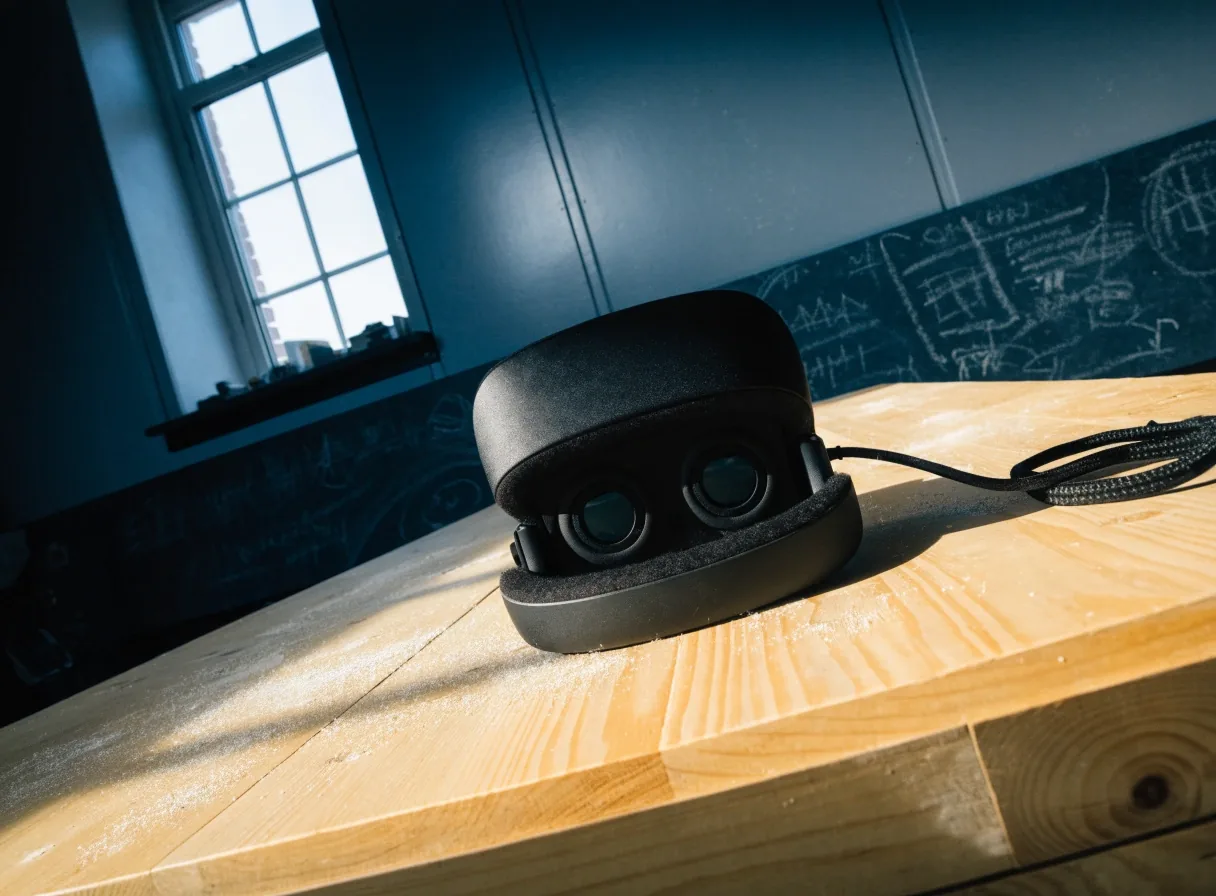
A VR headset resting on a pine workbench beside a coiled braided cable

Antwerp

VR with a commercial release behind it

Antwerp carries the country's clearest VR-first production record. Cyborn's Hubris is the reference point: a virtual-reality title taken from prototype through to a commercial release, which very few small European teams have managed end to end.

Discipline
VR-first game production
Reference
Cyborn and the Hubris release
A whiteboard corner at a raking angle with illegible hand-drawn curves and a marker on the tray

Wallonia

Mons and Charleroi hold a cluster of their own

Wallonia runs its own studio base, geographically separate from the Flemish hubs. Fishing Cactus in Mons works a hybrid model, mixing co-development service work with original titles. Appeal Studios in Charleroi is one of the country's established mid-sized teams, associated with console and PC production.

Discipline
Hybrid service and original titles, console and PC
Reference
Fishing Cactus, Appeal Studios
An angled keyboard in soft focus on a pale pine desk under a faint monitor glow

Limburg and West Flanders

Genk and Kortrijk, outside the big two

Limburg contributes LuGus Studios in Genk, built around simulation and serious games. West Flanders has Glowfish Interactive in Kortrijk, part of the smaller Flemish studio base. These are working studios in cities with less industry infrastructure than Ghent or Brussels, and that shapes what they build and who they hire.

Discipline
Simulation, serious games, independent titles
Reference
LuGus Studios, Glowfish Interactive
A routed measurement mark cut into a pine bench top with a stylus resting beside it

Everywhere else

Small teams that never show up in directories

Outside the five named anchors there are smaller teams and solo developers spread across the country who do not appear in industry directories at all. That spread is unusual compared to countries with a single dominant city, and it changes how the scene works socially. It is less of a walkable hub and more of a network of teams who know each other across regions.

Discipline
Independent and solo development
Reference
Country-wide, region to region

Studio economics

The hybrid studio model

A large share of Belgian studios do not survive on original titles alone. They mix service work, co-development and their own projects, and the mix shifts year by year.

Lane

What it does

Pressure on the calendar

Service work

Contract and co-development engagements for other studios and non-game clients. Pays the bills between pitches and keeps the tooling sharp.

Consumes the calendar first

Original titles

Self-funded or publisher-backed productions that build the studio's name and its pitch material for the next round.

Scheduled around service work

Simulation work

Training and consumer simulation titles for clients whose needs sit between entertainment and industrial training. Demand is steadier than hit-driven consumer work.

Stable, predictable cadence

The hybrid model has a cost. Service work consumes the calendar, and original projects get scheduled around it rather than the other way round. Studios that manage it well are disciplined about which service engagements they accept. Fishing Cactus is the clearest example of the pattern, with co-development and educational projects running alongside original releases.

Simulation as a steady lane

Simulation persists here because it does not depend on a hit

Simulation is one of Belgium's more durable specializations. It sits between entertainment and training software, and the clients are different enough from game publishers that the work behaves differently.

Hunting Simulator 3, produced by Nacon Studio Ghent and featured in Belgian industry coverage in October 2026, shows the consumer-facing end of that lane: an established franchise with a simulation focus. LuGus Studios in Genk represents the other end, with simulation-oriented work that overlaps with training and serious games. A training simulator sells because it solves a specific problem for a specific client, and the demand is stable in a way that consumer game demand is not. That is the reason the lane survives downturns that thin out pitch-driven work.

The small-studio end

What Belgian indie teams look like

A small attic studio workspace in a Belgian townhouse with a monitor turned away from the camera

The small-studio end of the scene produces distinctive work rather than scaled-down versions of large-studio games. Humble Grove is a good reference point: narrative-driven, stylized, and built with the constraints of a compact team baked into the design.

That is the pattern at this scale. A small team cannot compete on content volume, so the games that work are the ones with a specific idea that does not need volume to land. Glowfish Interactive in Kortrijk illustrates another part of the picture: regional studios building identity outside the biggest hubs, in a city with less industry infrastructure than Ghent or Brussels. That is a real constraint and a real advantage, depending on what the team is trying to do.

The games that work at this scale are the ones with a specific idea that does not need volume to land.
Studio pattern, compact teams
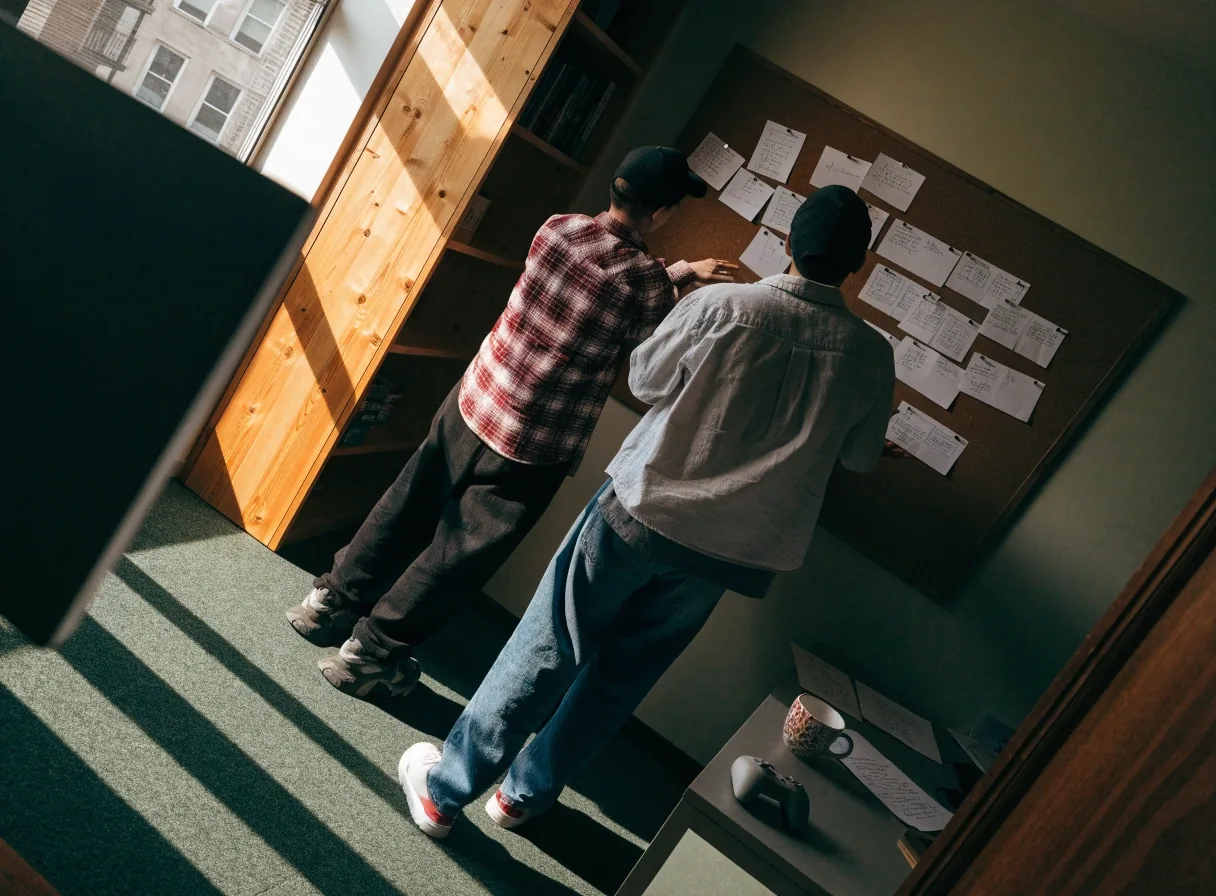
Two people seen from behind across a pale pine studio floor toward a softly glowing screen

New commercial output

Two lanes, two different instincts

Belgian teams keep releasing commercial PC and console titles, and the pipeline has not slowed. Void Havoc appears in 2026 Belgian industry coverage as an action shooter tied to a Belgian studio release pipeline, which is a useful marker of continued output in a genre that competes internationally.

Action titles

A crowded category where a small team competes on execution rather than novelty of format.

Simulation titles

A smaller market with less direct competition, where the client relationship drives the work.

Both lanes exist here, and they need different instincts. A team that can do one is not automatically suited to the other, which is worth checking before you pick a partner for either.

Where a studio like ours fits

Lochristi, in the orbit of Ghent

Nordic Bridge Solutions operates from Lochristi, which is close enough to Ghent to be part of that cluster's orbit without sharing its overhead. We work across games, simulation, VR/XR and desktop software, which mirrors the hybrid pattern most Belgian studios end up running.

The overlap between game production and non-game software is where most of our work sits. It is less common internationally and more common here, largely because the domestic market is too small to specialize narrowly.

For clients evaluating a partner, that hybrid background is worth checking. A studio that has only ever shipped games may struggle with a business software client's expectations, and the reverse is just as true. The question to ask is which of the two worlds the studio has actually delivered in, and how recently.

Reach the studio

Address
Raveschoot 22, 9080 Lochristi, Belgium
Working hours
Monday to Friday, 09:00–18:00 CET

Bring your scope and your platform, and we will tell you plainly whether the work suits a compact Belgian team or wants a larger partner.

Where to go next

Three routes into the studio for readers who want the detail behind this landscape overview.