
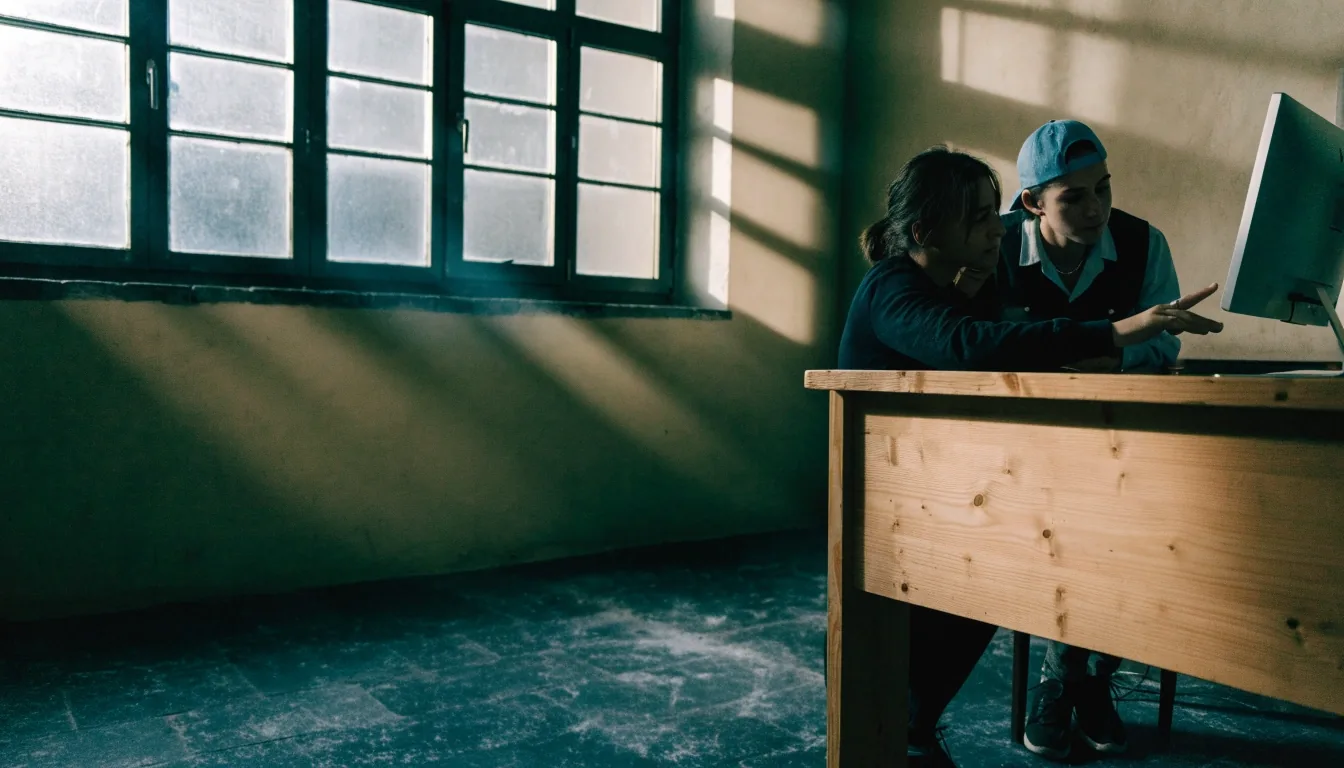
A small Belgian studio with a long memory
We build the game, then hand you the keys. Games, PC applications and the unglamorous production work between them — scoped in writing, shipped by a team that stays small on purpose.
- Based in
- Raveschoot 22, 9080 Lochristi — about twenty minutes from Ghent.
- Working hours
- Monday to Friday, 09:00–18:00 CET.
- Team shape
- A small core, plus specialists who join for one phase and leave when it is done.
- What we are not
- Not a publisher. We do not fund development, and we do not run marketing or community.
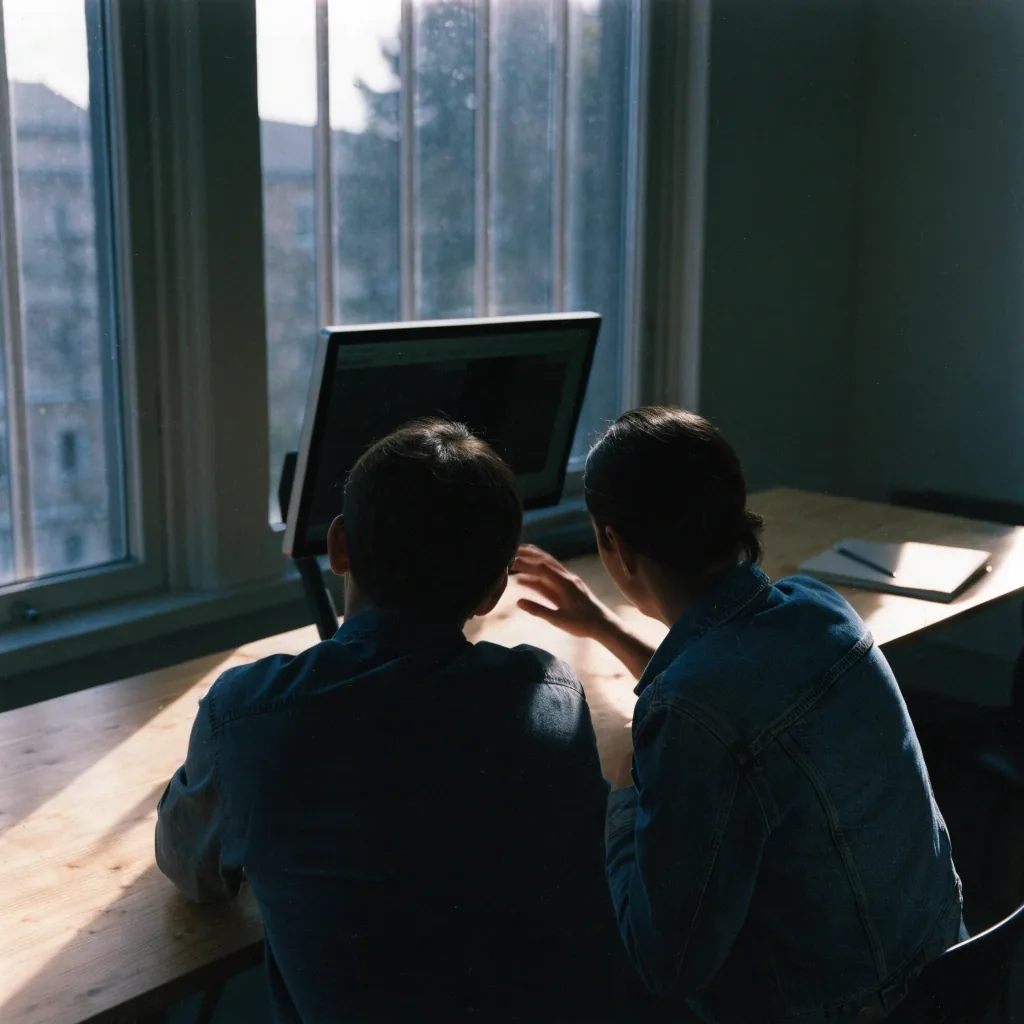
The shape of the team
A small core, deliberately. Design and engineering sit close together, and there is no layer of producers between a client and the person writing the code.
When a specialist is needed — an animator, an audio designer, someone who knows a specific middleware stack — we bring them in for the phase that needs them and they leave when it is done.
That structure keeps overhead low and decisions fast. It also means we are honest about capacity: we can run one large project and one small one at the same time. We cannot run three large ones.
Kept in the core
Scope, architecture, gameplay systems, tools, build health — the people who decide stay on the project end to end.
Brought in by phase
Animation, audio, middleware integration, localisation and specialist porting work.
How we got here — and the five stations every project passes
The studio grew out of contract work rather than a founding pitch. Individual projects in game production, simulation software and desktop tooling accumulated into a repeatable pipeline, and eventually it made sense to formalise it. That history shows in how we scope work: we have been burned by vague briefs enough times to insist on written ones.
-
Station one
Written scope
Before any code is written, the deliverable is described in a document both sides have read. If it is not written down, it is not agreed yet — and this protects the client as much as it protects us.
-
Station two
Grey-box prototype
Rough geometry, real mechanics, nothing dressed yet. A running build is the only artifact that answers the question both sides actually have: does this feel right to play or to use?
-
Station three
Production pipeline
The people doing the work. Animation, audio, art passes, and the toolchain that keeps a build compiling for everyone across the team, wherever each of them happens to be.
-
Station four
Milestones you can open
Every stage ends with something you can open, run or read. A status update that says we are on track, with no artifact attached, is not a status update.
-
Station five
Handover
Source, builds, tools and documentation handed over, plus the localisation passes, save-file migration and installer work that make a build actually survive on real machines.
Three things guide how we run projects
None of these are unusual on their own. Held together across a whole production, they are what keeps a partner from finding out about a problem three months late.
-
Written scope before code
If the deliverable is not described in a document both sides have read, it is not agreed yet. This protects the client as much as it protects us.
-
Visible progress
Every stage ends with something you can open, run or read. A status update that says on track without an artifact attached is not a status update.
-
Direct answers
If a feature will not fit the budget, we say it in the meeting rather than in a change request three months later.
-
The same three rules decide how a co-development block runs when a client's own team is already in production — see Production Process for how a block is scheduled week by week.
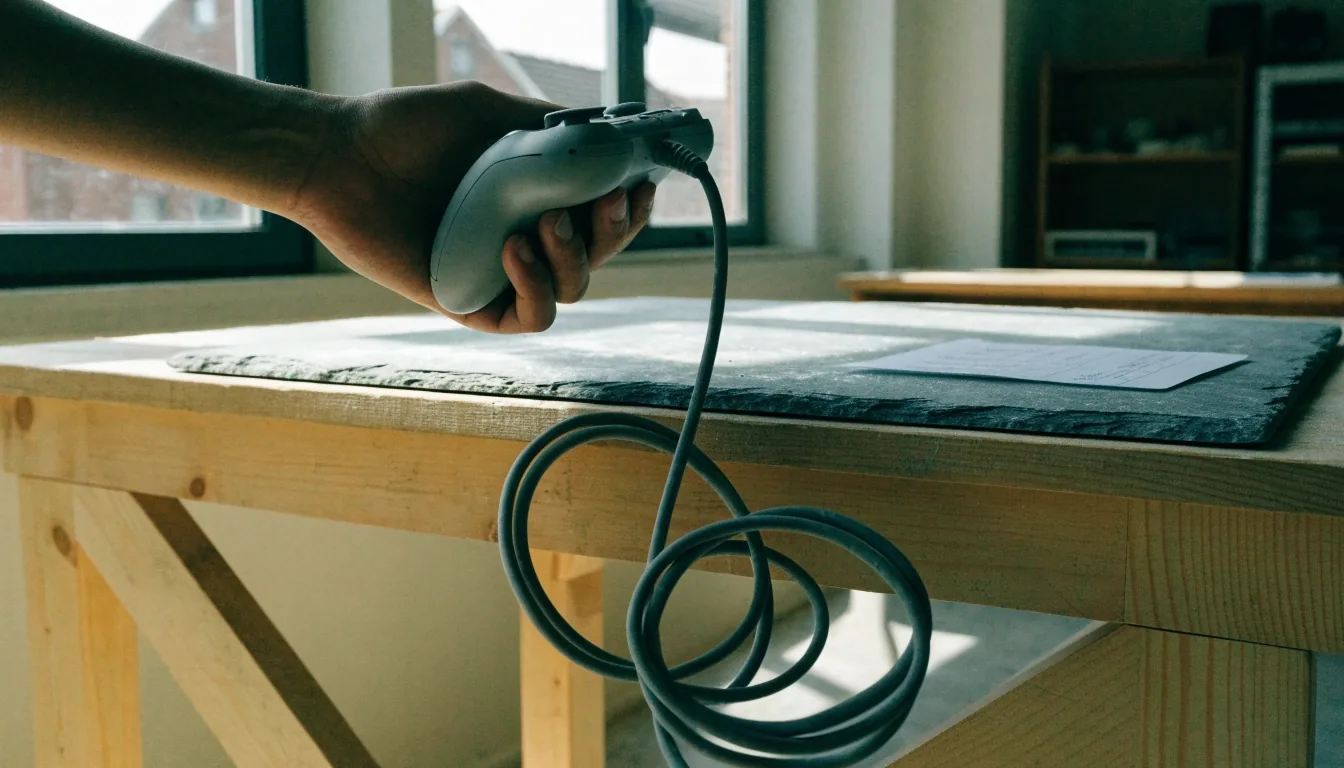
We are not the biggest or the oldest studio in Belgium. We are the one that finishes things.
That is a narrower claim and a more useful one. It means we take the unglamorous parts of production seriously — localisation passes, save-file migration, an installer that still has to work on Windows 10 machines with old graphics drivers. That work is not interesting to talk about, but it is the difference between shipping and not.
Twenty minutes from the densest part of the Flemish scene
Operating from Lochristi puts us roughly twenty minutes from Ghent, which is the densest part of the Flemish game development scene. It also puts us within a comfortable drive of Antwerp and Brussels, and a train ride from the Walloon studios around Mons and Charleroi.
That geography matters more than it sounds. A co-development block that needs occasional physical presence is feasible here in a way it is not for a team on another continent. And clients who want to visit the studio before signing anything can do that in an afternoon.
What we look for in a partner
Projects where the client knows what problem they are solving, even if they do not know the solution. That is the ideal. Someone who says their training software is failing on the assessment module is easier to help than someone who says they want a game.
We also look for clients who want to be involved. A partner who reviews builds and gives feedback produces better software than one who disappears until the deadline. The projects that go wrong are almost always the ones where nobody looked at the prototype.
What we are not
We are not a publisher, we do not fund development, and we do not handle marketing or community management. We also do not claim to be the biggest or the oldest studio in Belgium, because we are neither.
If your project needs funding or a publishing deal rather than a build, we are the wrong first call — and we will say so in the first meeting rather than three months in. For the things we do build, PC and desktop applications is where most of it sits.
Send a project description, or just ask about the studio
Visits are by arrangement rather than drop-in. Email is the fastest way to reach us, and it is where you should send a project description if you have one.
For enquiries that are not tied to a specific project — a question about the Belgian scene, a reference request on a type of work — that is fine too.
- Studio
- Raveschoot 22, 9080 Lochristi, Belgium
- [email protected]
- Phone
- +32 9 375 73 83 · Monday–Friday, 09:00–18:00 CET
Written scope. Visible progress. Direct answers. Then a handover you can open and run.